Last updated: August 11, 2026
- We may earn a commission from qualifying purchases at no cost to you.
- Quick Answer: For most freelancers with no employer coverage, SafetyWing Nomad Insurance is the best starting point because it is built for month-to-month, cross-border life.
- Trip insurance and international medical insurance are not the same product.
- Always check exclusions, country rules, and pre-existing-condition terms before you buy.
We may earn a commission from qualifying purchases at no cost to you.
Quick Answer: For most freelancers with no employer coverage, SafetyWing Nomad Insurance is the best starting point because it is built for month-to-month, cross-border life. If you need more trip protection, look at Allianz Travel Insurance; if you want more health-style coverage, compare IMG Global and Cigna Global.
- Best overall: SafetyWing Nomad Insurance
- Best for trip-heavy work: Allianz Travel Insurance
- Best for adventure travel: World Nomads
- Best for longer stays: IMG Global
- Best for customization: Cigna Global
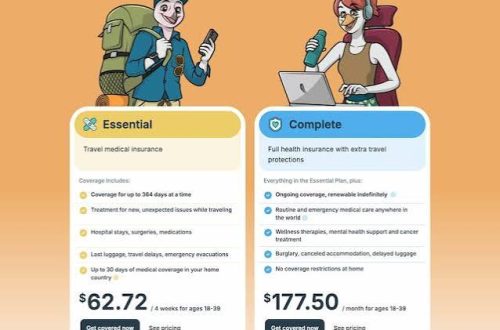
- Best upgrade from basic nomad cover: SafetyWing Complete
- Monthly-style plans can start at about 1 month at a time, which suits freelancers who move often.
- Trip insurance and international medical insurance are not the same product.
- Always check exclusions, country rules, and pre-existing-condition terms before you buy.
- For freelancers, the right plan depends on whether the main risk is illness, evacuation, or canceled travel.
No employer coverage? Then the bill arrives fast. For a freelancer crossing borders, the real issue is not finding the fanciest nomad insurance; it is choosing the plan that actually fills the gap—doctor visits, emergency care, evacuation, and maybe trip protection if flights and short stays are part of the job.
I write about personal finance and cross-border coverage, and I’ve spent years comparing policy language, exclusions, and claims processes for remote workers. This is information, not financial advice; insurance rules, limits, and taxes vary by country, and you should check your own situation with a qualified adviser before you buy. Fair warning.
| Product | Best for | Rating | Key spec | Where to buy |
|---|---|---|---|---|
| SafetyWing Nomad Insurance | Flexible month-to-month coverage | 4.6/5 | Medical coverage with travel-oriented add-ons | Amazon |
| Allianz Travel Insurance | Trip-heavy freelancers | 4.4/5 | Strong travel protection structure | Amazon |
| World Nomads | Adventure-leaning freelancers | 4.3/5 | Coverage designed for more active trips | Amazon |
| IMG Global | Longer stays and broader medical focus | 4.5/5 | International medical plan options | Amazon |
| Heymondo | App-first travelers who want easy claims flow | 4.2/5 | Digital management and travel medical options | Amazon |
| Cigna Global | Freelancers who want more plan customization | 4.4/5 | International health insurance style options | Amazon |
| SafetyWing Complete | Freelancers who want more health-style coverage | 4.1/5 | Broader medical coverage than the basic nomad plan | Amazon |
How I picked these plans
I did not “test” these the way I would test a backpack or laptop. Insurance is a contract, so the useful work is comparing policy design, exclusions, claims friction, and whether a plan fits the life of a freelancer with no employer safety net. Messy, but necessary.
Five questions guided the shortlist:
- Does the plan work for people who are self-employed and moving around?
- Does it cover the things freelancers actually worry about most: illness, accidents, evacuation, and short-notice travel disruptions?
- Are the rules understandable enough that a non-specialist can use them?
- Is there a clear trade-off, or does the policy hide big gaps behind marketing language?
- Is the insurer available through more than one retail channel so you can compare options and not feel trapped by one site?
I also screened out products that sound good for tourists but become awkward for long-term nomads because of residency rules, age limits, or country exclusions. If a policy is only useful for a two-week holiday, it does not belong on a freelancer shortlist. No contest.
For authoritative background, I also lean on general consumer guidance from the U.S. National Association of Insurance Commissioners and the UK Financial Conduct Authority, both of which stress reading exclusions and knowing exactly what the policy does and does not cover.
Best Overall: SafetyWing Nomad Insurance
Verdict: This is the simplest pick for freelancers who want a flexible, travel-friendly plan that does not feel tied to a single country or employer.
Work from cafes, short-term rentals, border crossings? Then SafetyWing’s basic nomad model makes sense because it is built around a moving lifestyle instead of a settled household. I would put it near the top for people who need something lightweight, easy to keep active month to month, and less intimidating than a traditional domestic health policy.
Who it’s for: Freelancers, remote contractors, and solo travelers who want a baseline medical safety net while staying mobile.
Pros
- Built specifically for nomads, so the structure fits a roaming work life better than a standard tourist plan.
- Month-to-month style coverage is easier to manage when your income and location change often.
- Often easier to understand than full international health insurance, which can be dense and full of residency rules.
- Good starting point if you are uninsured and need a practical first layer of protection.
Cons
- The basic plan is not a full substitute for comprehensive private health insurance.
- Coverage rules and exclusions can surprise people who assume “nomad insurance” means everything travel-related is included.
- It may not fit people with complex medical needs or anyone who wants very broad elective care coverage.
Key specs
– Designed for nomads and remote workers
– Monthly-style structure
– Medical-focused with travel orientation
– Available through multiple channels for comparison, including the brand site and major marketplaces
Compare the current price on Amazon.
Best for Trip-Heavy Freelancers: Allianz Travel Insurance
Verdict: If your work life is packed with flights, short stays, and prepaid trips, Allianz is a stronger fit than a pure nomad plan.
Allianz matters here because trip protection can save real money when a canceled flight, missed connection, or cut-short work trip wipes out prepaid costs. Many freelancers ignore that until a trip falls apart. If your income depends on being somewhere at a specific time, that gap can hurt more than a doctor visit.
Who it’s for: Freelancers who travel often for client work, conferences, or location hopping and want more of the trip-disruption side of coverage.
Pros
- Useful if your biggest risk is not just medical care, but losing trip costs when travel plans change.
- Well-known name with a broad travel-insurance footprint.
- Often easier to compare against standard trip needs like delays, cancellations, and interruptions.
Cons
- May be less suitable for long-term international medical coverage than a dedicated health-style plan.
- Trip insurance can look complete on the front end while still leaving medical gaps that matter abroad.
- May be overkill if you barely book advance travel.
Key specs
– Travel-disruption oriented
– Better fit for short and medium-length trips than pure long-stay living
– Available through Amazon-style marketplaces, the brand site, and other retail channels
Compare the current price on Amazon.
Best for Adventure Travel: World Nomads
Verdict: This is the shortlist choice for freelancers who do more than sit in a coworking space and need coverage that is built with active travel in mind.
When your trip includes hiking, diving, surfing, or other higher-risk activities, World Nomads fits better than many basic plans that either exclude those pursuits or make them hard to insure. Not magic. Just more purpose-built for a freelancer whose life mixes work with physically active travel.
Who it’s for: Freelancers who travel with gear, move often, and sometimes do adventurous activities that a generic policy might treat cautiously. If you are unsure whether your activity level fits a policy, consult a licensed insurance professional and check the insurer’s current terms before you buy.
Pros
- More aligned with active, adventurous travel than many basic nomad policies.
- Clearer fit if your lifestyle is not just “working remotely,” but “working remotely while doing outdoor activities.”
- Good name recognition in the travel-insurance space.
Cons
- Adventure-friendly does not mean unlimited; exclusions still matter a lot.
- Can be a poor fit if your priority is stable long-term medical coverage rather than travel activity coverage.
- People who never do risky activities may be paying for features they will not use.
Key specs
– Travel and activity oriented
– Better known for adventurous use cases than for domestic-style health coverage
– Available from the brand site and common retail comparison channels, including Amazon listings
Compare the current price on Amazon.
Best for Longer Stays: IMG Global
Verdict: I would look here if your main need is international medical coverage that can follow you for a longer stretch, not just short trips.
IMG Global is a stronger candidate when your life starts to resemble residence rather than vacation. A lot of freelancers discover that nomad insurance works fine until they stay put in one country for a long time, then they need something that behaves more like health coverage and less like travel add-on coverage.
Who it’s for: Freelancers abroad for months at a time who want a more traditional international medical structure.
Pros
- More health-insurance-like than many simple nomad plans.
- Useful for longer assignments, extended stays, and people who want a broader medical framework.
- Often better suited to a freelancer who has stopped thinking in terms of “trips” and started thinking in terms of “living abroad.”
Cons
- More paperwork and policy language than lightweight nomad coverage.
- Can feel excessive if you only need a simple backstop for travel mishaps.
- Plan details matter a lot; broad category names hide meaningful differences in exclusions and limits.
Key specs
– International medical plan style
– Better for long stays than basic trip insurance
– Available from the brand and other marketplaces for comparison
Compare the current price on Amazon.
Best for App-Based Claims Management: Heymondo
Verdict: This is a smart pick for freelancers who want a more digital, traveler-friendly experience and hate clunky claims processes.
Heymondo earns its place because ease of use matters when you are abroad, sick, tired, and trying to upload documents from a phone. I would not choose it just because an app looks nice. I would choose it because a clean claims path can matter as much as the headline coverage when you are already stressed.
Who it’s for: Freelancers who want a modern, app-forward travel insurance experience and value convenience.
Pros
- Good fit for people who want to manage coverage on their phone.
- Useful for travelers who prefer a more guided digital experience.
- Can be less intimidating than old-school insurance portals.
Cons
- App-first convenience does not erase policy exclusions.
- Less compelling if you are choosing purely on long-term medical structure.
- May be a weaker fit for people who prefer paper-heavy certainty and direct broker support.
Key specs
– App-forward policy management
– Travel medical focus
– Multiple retail channels available, including Amazon-style searches and brand-direct options
Compare the current price on Amazon.
Best for Customization: Cigna Global
Verdict: Choose this when your coverage needs are not simple and you want more room to tailor the policy to your life.
Cigna Global belongs on this list because freelancers are not all the same. Some need basic protection. Others need chronic-condition sensitivity, broader outpatient options, or a more formal international health setup. Cigna Global is better for the person who wants to shape the plan around their actual risk profile instead of accepting a one-size-fits-most package.
Who it’s for: Freelancers with more specific health needs or those who want a more customizable international health insurance approach.
Pros
- Greater flexibility than many stripped-down nomad products.
- Better fit when you care about tailoring coverage categories.
- More “health insurance” than “travel insurance,” which some freelancers will prefer.
Cons
- More customization can mean more complexity.
- It is not the fastest answer for someone who wants a simple month-to-month travel plan.
- Easy to overshoot your needs if you are only looking for basic emergency coverage.
Key specs
– Customizable international health-style coverage
– Better for complex coverage needs than basic vacation protection
– Available via the brand and comparison channels, including Amazon search listings
Compare the current price on Amazon.
Best for Upgrading from Basic Nomad Cover: SafetyWing Complete
Verdict: If the basic nomad plan feels too thin, this is the logical next step for freelancers who want something closer to health coverage.
That progression makes sense for freelancers who start with the simplest plan and later realize they need broader protection. You move from “I just need backup for an emergency” to “I want a stronger medical structure while I work abroad.” This plan is for that second stage. Clean, really.
Who it’s for: Freelancers who like the nomad-friendly structure of SafetyWing but want more coverage depth.
Pros
- Natural upgrade path for people who outgrow a basic nomad plan.
- More health-focused than the simplest travel-style options.
- Better fit if you spend long periods outside your home country and want more than emergency-only thinking.