Last updated: October 21, 2026
Quick Answer: a nomad insurance claim is usually filed in 1 complete package: claim form, itemized bills, receipts, and a doctor’s note or medical report. If you have those records, this guide on How to File a Nomad Insurance Claim Step by Step shows the process from care to reimbursement, but you should still check the insurer’s rules or consult a qualified adviser for your own situation. For policy and claims guidance, see your insurer’s claims page, and for general consumer guidance on keeping records and deadlines, see the U.S. Federal Trade Commission and the National Association of Insurance Commissioners.
Key takeaways
- Start with the policy number, claim form, itemized bills, and any medical report the insurer asks for.
- Keep every receipt and record the date of treatment, diagnosis, and payment, but confirm the exact evidence your insurer wants.
- File the claim exactly as the insurer requires: portal, email, or upload form, with all supporting files attached.
- If the insurer asks for more evidence, respond quickly and keep copies of every message.
- This is information, not financial advice; insurance rules vary by policy and country, so a qualified adviser should be consulted for your own situation.
Who this is for, and what you need first
This is for a traveler, digital nomad, or remote worker who has already had care and now needs to turn that event into a reimbursement request. How to File a Nomad Insurance Claim Step by Step starts with the policy number, the policy documents, and the insurer’s member portal. It also assumes the treatment has already happened, because the question here is how to submit an insurance claim after care, not whether the policy covers the treatment; if coverage is unclear, consult the insurer or a qualified adviser.
The basic file you need is usually the same even when the insurer’s portal looks different: claim form, itemized invoice, receipts, and a doctor’s note or medical report. “Itemized” means the bill lists each service separately, not just one total. If the invoice is only a card terminal slip or a handwritten payment note, that usually is not enough for reimbursement on its own. See the claims instructions in your policy documents and, if needed, consumer guidance from the FTC or NAIC.
This page is for straightforward claims that are already within the policy’s reporting rules. It is not the place to sort out whether a treatment is covered, whether a country is excluded, or how a policy’s network works; the hub page on how nomad health insurance works covers that broader ground. It is also not a substitute for qualified advice if the claim involves a serious injury, a disputed diagnosis, a large unpaid hospital balance, or a situation where your policy wording is unclear. Insurance rules differ by country and change often, so I am giving process guidance, not financial advice.
How do you file a nomad insurance claim step by step?
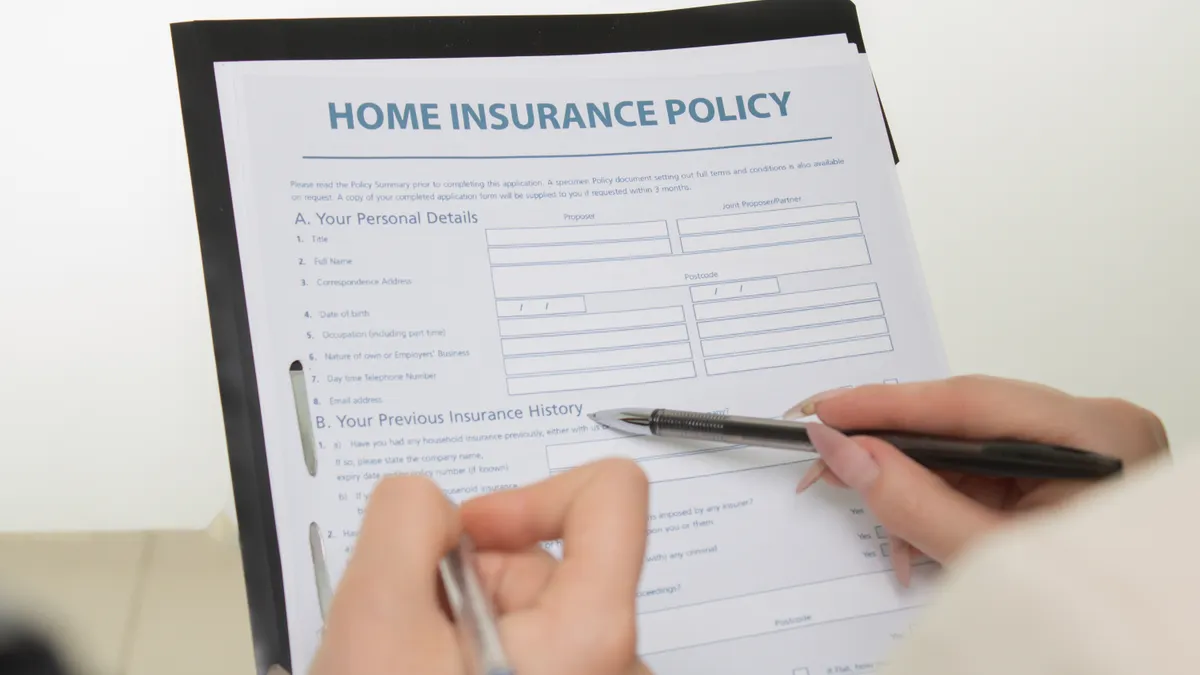
You file it by documenting the treatment, matching the paperwork to the policy instructions, and submitting one complete package before the deadline. The claim usually works best when you treat it like a recordkeeping exercise, not a rush job. Missing one file can delay reimbursement by days or weeks, and some insurers will reject incomplete submissions rather than chase the missing page. For a practical checklist, compare your file to the insurer’s claims instructions and your policy wording.
- Gather the policy details before you touch the form. Write down the policy number, insurer name, member ID, and the claim submission method shown in your portal or policy PDF. Verify the deadline for filing, the accepted file formats, and whether the insurer wants one combined PDF or separate uploads. A problem sign is any mismatch between the policy number on the form and the number on your documents.
- Collect the treatment records from the provider. Ask for an itemized invoice, diagnosis or treatment summary, and any doctor’s note or medical report. If you saw a clinic or hospital, the report should identify the date of service, the provider’s name, and the reason for treatment. Verify that the provider’s name and address are visible. If the receipt only shows a card payment amount and no medical detail, that is usually too thin for a claim.
- Keep every receipt that shows money changed hands. Save the payment receipt, card slip, bank confirmation, or invoice marked “paid,” along with any pharmacy receipt if medicine was prescribed. Check that the date, amount, and currency are readable. A problem sign is a blurred photo, missing amount, or receipt that does not connect to the same treatment date as the medical record.
- Complete the claim form exactly as the insurer asks. Enter the treatment date, symptoms or diagnosis, provider details, and reimbursement account information if required. Use the same spelling for your name and policy number as on your policy documents. Verify that every required box is filled in; a blank field often stops processing. If the form asks for ICD-10, that is the international diagnosis coding standard used on many medical records, and you should copy it exactly if you have it.
- Write a short claim statement if the insurer requests one. Keep it factual: what happened, when you sought care, what treatment you received, and what documents you are attaching. One page is usually enough unless the insurer asks for more detail. A problem sign is argument, long explanation, or missing dates, because those slow the review.
- Scan or photograph everything before submission. Make a PDF or clear image set that shows all pages, with legible corners and no cut-off text. Keep each file under the portal’s size limit if one is listed. If the upload tool rejects the file, that usually means the format, size, or page order is wrong, not that the claim itself is invalid.
- Submit the package through the insurer’s chosen channel. Upload, email, or send the claim form and documents in the exact method listed by the insurer. Include the claim reference number if one is generated. Verify that you receive a confirmation message, case number, or submission receipt. No confirmation is a problem sign, because it means there is no proof the insurer received the file.
- Track the claim until reimbursement is paid or the file is closed. Check the portal or email for requests for extra evidence, missing pages, or payment status. Save all follow-up messages in one folder. If the insurer asks for more documents, answer within the stated deadline and keep the same claim number. A problem sign is a second submission without the original reference, because that can create duplicate or stalled files.
What documents do you need for a claim?
You need the claim form, proof of treatment, proof of payment, and any extra document the policy or claim handler asks for. In practice, that usually means four buckets of paperwork: identity and policy details, medical records, receipts, and correspondence with the provider. Some insurers also ask for passport pages, travel dates, or proof that you were outside your home country when the care happened.
The most useful medical document is usually the provider’s note or report, because it ties the visit to a diagnosis or treatment plan. A pharmacy receipt without the original prescription can be a weak file. An emergency room invoice without a diagnosis note can also be weak, even if the amount is large. The insurer wants a paper trail that connects the service, the date, and the payment.
Keep the documents in one order and one name format. If your passport says “A. M. Garcia” and the claim form says “Alex Maria Garcia,” the insurer may still process it, but the mismatch can trigger a request for clarification. The same is true for currency. If the bill is in euros and you paid in a different currency, do not convert it yourself unless the insurer specifically asks you to; let the reimbursement team handle conversion rules.
A good file is readable without guessing. If the clinic wrote the diagnosis by hand, photograph it in daylight or scan it at a higher resolution. If a page has both English and local-language text, keep both sides. If the policy requires original documents, do not assume a screenshot will do. When in doubt, send the clearest version you have and keep the original. For more on recordkeeping, see FTC consumer advice and the NAIC consumer tools.
When should you stop and get help instead?

You should stop and get qualified help when the claim stops being a paper exercise and starts becoming a coverage dispute, a medical-legal question, or a large financial exposure. Insurance reimbursement is administrative until it is not; once the facts are unclear, the costs of a mistake can rise quickly. If the claim is complex, ask the insurer or a qualified adviser before you submit.
The insurer says the treatment may be excluded: that is a coverage issue, not a paperwork issue — pause the claim, gather the exact policy wording, and get the insurer’s written position or speak with a qualified adviser before you guess at the answer.
The hospital is asking for payment before discharge: that is a billing and urgent-care issue — contact the insurer’s emergency assistance line immediately and keep the admission documents, because a normal reimbursement claim may not solve an active balance due.
The bill is missing a diagnosis or itemization: that means the claim file is incomplete — ask the provider for a corrected invoice or medical report rather than sending an incomplete package that may be denied.
The insurer asks for records you do not have, such as lab results or referral notes: that means the claim needs a fuller evidence trail — request copies from the clinic or hospital and keep the request in writing.
The claim involves a serious injury, surgery, or a large amount of money: that raises the stakes — have a qualified adviser review the documents before you accept a partial reimbursement or sign any release.
The deadline has already passed: that may not be fixable by ordinary submission — contact the insurer immediately, explain the delay, and ask whether there is any formal exception process.
What mistakes do people make most often?
The most common mistakes are missing paperwork, mixed-up dates, unreadable files, and late submission. Each one can slow reimbursement or lead to a rejection that could have been avoided with a few minutes of checking.
-
Uploading only a receipt instead of a full medical packet. The consequence is a stalled or denied claim because the insurer cannot verify the medical reason for the expense. The correct alternative is to attach the invoice, doctor’s note, and payment proof together.
-
Using the wrong date of service or claim date. The consequence is a mismatch between the bill and the treatment record, which can trigger follow-up questions. The correct alternative is to match the treatment date on the medical report, not the payment date on the card slip, unless the insurer asks for both.
-
Submitting blurry photos or cropped pages. The consequence is that key terms, totals, or signatures cannot be read. The correct alternative is to scan the pages or retake photos in better light, keeping all four corners visible.
-
Ignoring the insurer’s file format rules. The consequence is upload failure or an incomplete file on the claims portal. The correct alternative is to follow the stated format, such as PDF, JPG, or a single combined document, and check the size limit before uploading.
-
Waiting too long to file. The consequence is a missed deadline, which can be enough for rejection even when the treatment itself was valid. The correct alternative is to file as soon as the records are in hand and set a reminder for any remaining evidence.
-
Changing the story between documents. The consequence is a credibility problem if the claim form says one thing and the doctor’s note says another. The correct alternative is to keep the same facts, wording, and dates across every document, even if the details seem minor.
What if the insurer asks for more evidence?
You answer the request with the exact document they asked for, the original claim number, and a short note that ties the new file to the old one. A second request is usually a sign that the reviewer needs one missing piece, not that the claim is over. Responding quickly matters because many claim systems pause until the file is complete. For claims handling basics, follow the insurer’s written instructions and keep the request in writing.
If the insurer asks for “medical evidence,” send the provider note, diagnosis, lab result, or referral they named, not a random stack of records. If they ask for “proof of payment,” send the receipt or bank confirmation that shows the amount and date. If they ask for a translated document, send the translation in the format they specify. Some policies accept a simple certified translation, while others want a specific format; the rules vary.
Keep the response narrow. Sending 20 extra pages can bury the one page that matters. If the insurer’s request is unclear, ask for a written clarification before uploading more documents. Keep copies of every message, because the claim file should show who asked for what and when. That audit trail can matter if a payment is delayed or the claim is escalated.
How long does reimbursement usually take?
Reimbursement usually takes as long as the insurer’s claims team needs to review a complete file, and that can vary by policy, country, and claim complexity. A clean file with a clear invoice, readable receipts, and no missing pages moves faster than a file that needs back-and-forth clarification. I cannot give a universal number without inventing one, because insurers set different timelines and those timelines change.
What counts as a good result is not just payment, but payment that matches the claim status in the portal and arrives in the account method the insurer approved. Watch for three signs of progress: a claim reference number, a status update that says the file is under review, and a payment confirmation or reimbursement notice. If the insurer asks for more evidence, the clock may slow until you respond.
A delay is not always a denial. A delay can mean the file is queued, the bank details need checking, or the reviewer wants one missing document. The useful habit is to check the claim status at the intervals the insurer recommends and keep every version of the file until the money arrives.
When the standard claim process does not apply
The standard process changes when the care was emergency treatment, the provider billed in a foreign currency, the insurer needs direct billing instead of reimbursement, or the claim crosses more than one country. In each of those cases, the documents and timing can shift.
If treatment happened during an emergency, the insurer may want extra context showing why care was urgent and where it occurred. That often means an emergency room report, admission note, or discharge summary, not just a receipt. If the provider billed in a local currency, keep the original invoice and do not overwrite it with your own conversion. If the insurer paid the provider directly, you may still need to file a claim record, but the reimbursement step may look different because no money comes back to your bank account.
Claims can also get complicated when several visits belong to one condition. Then the file should show how the bills, dates, and notes connect to the same treatment episode. If you are not sure whether to submit one claim or several, ask the insurer’s claims team before you split the paperwork. That step can prevent duplicate files and missed payments.
Drafted with AI; not yet reviewed by a person.