Last updated: August 11, 2026
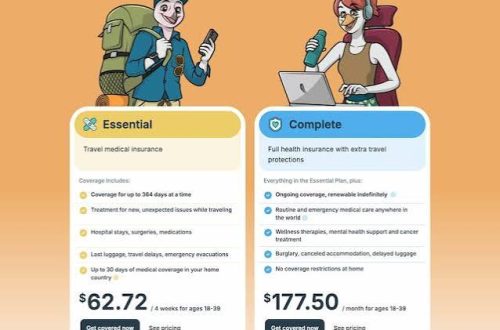
Quick Answer: for most healthy solo nomads, a basic plan with medical cover and emergency evacuation is enough, and it often costs about $40 to $150 per month depending on age, region, and deductible. One policy does not fit every nomad. Not even close. What works depends on who you are, where you are headed, how long you will stay away, what must be covered, and which risks you can handle on your own. Trying to sort out coverage for remote work, slow travel, multi-country trips, or life abroad? Then this guide to nomad insurance by profile situation — complete guide is the plain-English version: how nomad insurance works, who it suits, where it falls short, and what to inspect before you trust it. This is information, not financial advice; for your own situation, especially if you have complex health, visa, tax, or asset issues, consult a qualified adviser.
- Nomad insurance is usually chosen by profile, not by destination alone.
- Medical cover, evacuation, exclusions, and deductible are the main decision points.
- “Worldwide” does not always mean every country.
- Policies often cost roughly $40 to $150 per month for a healthy adult, but prices vary by age, region, and deductible.
- Read the wording before you buy, and consult a professional if your situation is medically or legally complex.
Who This Applies To — and Who Should See a Professional Instead
Months on the move. Border crossings. No tidy employer plan. That is where nomad insurance usually enters the picture. Remote workers, freelancers, independent contractors, students on long stays, gap-year travelers, and people trying out life in a few countries before settling all fit here. Families can fit too, though their cover needs tighter scrutiny because dependents change the risk profile fast.
I would treat this as a DIY decision only if all of the following are true: you can describe your itinerary in rough terms; you know whether you need emergency-only medical cover or broader protection; you can afford a deductible or out-of-pocket cap if a claim happens; and you are willing to read policy wording, not just marketing copy. The policy wording is the contract. That is where exclusions live. Even then, consult a professional if your situation is borderline or changing quickly.
See a professional instead of trying to solve this alone if you have ongoing medical treatment, a pregnancy, a pre-existing condition that may trigger exclusions, a high-value gear setup, business liability exposure, or a residence/tax situation that is already complicated. The same goes for people splitting time between countries, because residency rules, local insurance rules, and tax residence can interact in ways that make a simple travel policy the wrong tool. Need continuity of care, maternity coverage, evacuation coordination, or employer-style benefits? A broker or adviser with cross-border experience is often the better route. For general consumer guidance, the NAIC consumer pages are a useful starting point.
Here is the hard line: nomad insurance is not a substitute for local compulsory health insurance where a country requires it, and it will not wipe out every financial risk on the road. Want to dodge every possible loss? Impossible. Insurance transfers specific risks. It does not erase them.
Use a professional review if you have any of these:
- chronic illness or planned treatment
- a dependent child or elderly parent traveling with you
- substantial electronics, camera, or work equipment
- side business liability, client contracts, or local registration
- a long stay that may create tax or residency consequences
- a destination with unstable medical access or evacuation risk
The Step-by-Step Process for Nomad Insurance by Profile and Situation — The Complete Guide (Done Correctly)
Start with the person, then the route, then the exclusions. A lot of people reverse that order and end up with a policy that looks broad on paper but misses the mark where it counts.
- Define your profile in plain terms. Write down whether you are a solo traveler, couple, family, student, freelancer, remote employee, or long-term expat-like nomad. Add age bands, dependents, and whether anyone has pre-existing conditions. Make sure every person who needs cover is eligible under the same policy class. A warning sign is when one person in the group needs materially different medical cover or age-based pricing rules apply; that often means the household cannot be treated as one simple case. Should that be happening, consult a professional before you buy.
- Map your trip structure. List the countries, the longest continuous stay in any one country, and the expected total duration away. Use calendar months, not vague estimates. Verify whether the policy allows long stays in one country, repeated returns, and worldwide movement without country-by-country surprises. A warning sign is a destination you cannot name yet or a stay that may exceed the policy’s country-limit language.
- Separate medical needs from non-medical needs. Decide whether you need emergency medical cover only, outpatient care, inpatient care, evacuation, baggage, trip interruption, electronics, or liability. Sort which risks are essential versus optional. A warning sign is trying to use one policy to cover health, device theft, and business loss equally; those are different risk buckets with different exclusions. For official travel health context, the [CDC travel health pages](https://wwwnc.cdc.gov/travel) are useful.
- Check medical scope carefully. Read the wording for emergency treatment, hospitalization, outpatient visits, prescriptions, mental health, maternity, and pre-existing conditions. Review the definitions of “acute,” “stable,” “emergency,” and “waiting period,” because those terms drive claim eligibility. A warning sign is a policy that excludes the condition you most likely need help for, or only covers care after the situation becomes severe enough to qualify as an emergency. When the wording is unclear, consult a qualified adviser or broker.
- Inspect geography rules. Confirm whether the policy is worldwide, worldwide excluding certain countries, or region-based. Check whether your home country, country of citizenship, or country of residence is excluded. A warning sign is any gap between where you actually spend time and where the insurer considers cover active; that gap can void a claim or leave you paying full cost yourself.
- Review exclusions and caps line by line. Identify exclusions for adventure sports, motorbikes, alcohol-related incidents, theft from unattended vehicles, valuables left unsecured, and work-related injury. Inspect sub-limits, meaning smaller caps inside the main limit, especially for gear and electronics. A warning sign is a headline limit that looks large but hides a small sub-limit for the exact item you care about. Should those exclusions affect your itinerary, consult a professional before relying on the policy.
- Match the deductible and reimbursement method to your cash flow. A deductible is the amount you pay before the policy responds. Verify whether the deductible applies per claim, per incident, or per person. Also verify whether the insurer pays providers directly or reimburses you later. A warning sign is a deductible you cannot comfortably absorb, or a reimbursement system that assumes you can front the cost in a foreign hospital.
- Test the claims path before you buy. Find the claim filing method, required documents, deadline, and emergency contact process. Verify that you can reasonably obtain receipts, medical reports, police reports, and proof of travel if needed. A warning sign is a claims process that requires documents you are unlikely to get in the countries you plan to visit, or a deadline so short it conflicts with actual travel conditions.
- Check cancellation, renewal, and continuity rules. Look at whether you can extend coverage, whether pre-existing coverage resets on renewal, and what happens if you return to your home country briefly. Check whether the policy must be purchased before departure or can start mid-trip. A warning sign is a policy that forces a hard stop at renewal or resets exclusions in a way that leaves a long trip exposed.
For a solo digital nomad, I would put medical cover, evacuation, and emergency assistance first, then decide whether gear or trip interruption is worth paying for. For a family, pediatric care, maternity-related exclusions, and local access to care matter more than entertainment perks. Remote employee? Verify employer requirements and country rules before assuming a travel policy is enough. For a student or working-holiday traveler, visa conditions can matter as much as the insurer’s brochure. And for an expat-like nomad who stays in one place a long time, I would question whether a travel policy is even the right product.
A common slip is assuming “nomad insurance” means the same thing everywhere. It does not. Some products are travel medical plans, some are international health insurance, some are adventure travel policies, and some combine pieces of all three. The label matters less than the wording. One label, four realities.
Critical Checkpoints: What to Verify Before Moving Forward
Before you commit, I would check five things with almost obsessive care: eligibility, territory, medical scope, exclusions, and claims mechanics. These are the pressure points where coverage usually fails in real life.
First, eligibility. Some policies are designed for residents of specific countries, age bands, or trip lengths. Buying from abroad? Verify whether you are even allowed to enroll. Moving between countries? Verify whether your current residence status matches the insurer’s definition of residency. A policy can be marketed globally and still be unavailable to you personally. If the eligibility rules are unclear, consult a professional or the insurer’s licensed support team.
Second, territory. “Worldwide” is not always truly worldwide. Some plans exclude the United States, Canada, your home country, sanctions-listed countries, or destinations the insurer labels high risk. Check where cover begins and ends, and whether transit through excluded countries counts. If you regularly route through different hubs, this matters.
Third, medical scope. Read the section on emergency care and the section on non-emergency care separately. Emergency care usually means unexpected stabilization or urgent treatment; it is not the same as routine checkups, ongoing prescriptions, or elective care. If you need chronic medication or continuity with a specialist, confirm whether the policy handles refills, telehealth, and follow-up visits. For claims and consumer rights, the FCA insurance guidance is a useful official reference.
Fourth, exclusions. This is where many buyers get surprised. Pre-existing conditions are often treated narrowly. Sports may be divided into standard recreation and higher-risk activities. Theft claims can fail if you leave items unattended, do not report to police, or cannot prove ownership. Make a note of every exclusion that intersects with your life, not just the ones that seem dramatic. If any exclusion could affect your trip, consult a professional before purchase.
Fifth, claims mechanics. Ask: how do I contact assistance, what documents are required, and how long do I have to file? If the insurer requires an approved network provider, verify whether such providers exist where you travel. If reimbursement is the default, think through whether you can pay up front. If not, the policy may be hard to use when you need it most.
For finance and insurance details, I also like checking neutral sources that explain basic consumer protections and plan structures, such as the U.S. National Association of Insurance Commissioners and the UK Financial Conduct Authority, though the exact rules differ by country and policy type. If your situation crosses borders, country-specific official guidance is better than general blog advice.
A solid checkpoint rule: if you cannot explain your policy in one paragraph without using marketing language, you probably do not understand it yet.
Warning Signs: When to Stop and Get Help
Some situations are not good candidates for a simple DIY insurance choice. When I see any of the following, I think “pause and get expert help.”
Ongoing treatment or active symptoms: If you are seeing a specialist, managing medication changes, or waiting on test results, the policy may exclude the condition or treat it as pre-existing — speak with a qualified adviser or broker before buying. Consult a professional if you need continuity of care.
Pregnancy or family planning during the trip: Maternity coverage often has waiting periods, restrictions, and delivery-country limits — confirm exact terms with a professional, because a generic travel plan may leave major gaps.
Long stays that may create residency issues: If you will live in one country long enough to trigger local insurance requirements or residency rules, a travel policy may be the wrong structure — get country-specific advice.
High-risk activities as part of normal life: Motorcycling, scuba diving, climbing, skiing, and similar activities are often carved out or limited — if you plan to do them regularly, ask for expert review of the wording.
Business exposure or client liability: If you earn income from your laptop, carry equipment for work, or sign contracts that assign liability, a plain medical policy may not address your real risk — consider professional advice on the insurance mix.
Multiple jurisdictions in one year: If you rotate among countries with different medical systems, entry rules, or tax residence implications, the policy may be only one part of a bigger compliance question — consult a specialist.
Ignoring these warnings rarely ends well. The result can be denied claims, delayed care, large out-of-pocket medical bills, or buying the wrong product entirely. And the nasty part? The policy may look fine right up until the claim.
The Most Common Mistakes (and Their Real Consequences)
The biggest mistake is treating all nomad insurance as interchangeable. It is not. A travel medical plan, an international health plan, and a trip protection policy solve different problems. Mix them up, and you get coverage that sounds broad but fails in the exact category you need. The correct alternative is to define the risk first, then match the product type.
Another common mistake is focusing on the premium and ignoring the deductible, sub-limits, and exclusions. A low premium can hide a plan that is expensive to use. The consequence is paying less up front and far more when you claim. The correct alternative is to compare total exposure: premium plus likely out-of-pocket amount plus exclusions relevant to your itinerary.
A third mistake is assuming a country is covered because the insurer has a large map on the website. The consequence can be denied claims, especially for home-country returns, sanctioned regions, or territories with special rules. The correct alternative is to check the actual policy wording for each country or region you plan to visit.
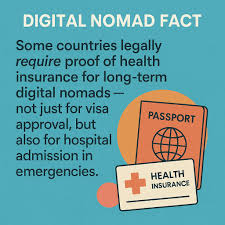
A fourth mistake is not matching the policy to visa or residency requirements. Some countries require proof of health insurance with specific features. The consequence can be visa problems, entry issues, or having to buy local cover later under time pressure. The correct alternative is to verify the destination’s current official requirements before purchase.
A fifth mistake is overlooking timing rules. People buy after departure, after symptoms start, or after a trip changes. The consequence is that pre-existing conditions and waiting periods can make the policy far less useful. The correct alternative is to understand when cover starts, what triggers waiting periods, and whether purchase must happen before travel begins.
A sixth mistake is not planning for cash flow during a claim. The consequence is getting care but not being able to float the bill long enough to be reimbursed. The correct alternative is to confirm whether providers bill the insurer directly, whether cashless treatment exists, and what emergency assistance can actually arrange.
These mistakes are common because the product is sold as convenience. In practice, it rewards careful reading. No shortcuts.
Edge Cases and Modified Approaches
Some situations need a modified approach, not standard traveler logic.
If you are a slow traveler who spends months in one place, I would ask whether the policy is still travel insurance or whether you are really operating as a resident without local cover. The modification here is to compare trip medical coverage against local private health insurance or an expat health plan, because long stationary periods often change the best-fit product.
If you split time between a home base and several countries, the key adjustment is to map days, not just destinations. A policy may allow you to travel widely but still exclude your home country or require a minimum time away before cover applies. The practical move is to check every “return home” clause carefully.
If you are over the age band where many travel policies become restrictive, the modification is not just higher premium. It can mean narrower underwriting, different deductibles, or condition-specific exclusions. Underwriting means the insurer’s process of evaluating your risk. In that case, I would not assume a standard quote structure tells the whole story; ask for the actual limitations in writing.
If you have a pre-existing condition, the standard approach often needs a condition-specific review. Some policies exclude all related treatment, some cover acute episodes only, and some require medical questionnaires. The modification is to define the condition precisely, list medications and recent changes, and ask how stable-control language is treated. “Stable” is a technical term and can mean more than “feels fine.”
If you work online but travel with expensive gear, the medical policy may not be enough. The modified approach is to separate health cover from equipment protection and from liability concerns. A single bundled plan often leaves a weak spot in at least one of those areas.
If you are planning active travel, the issue is often classification. One policy may treat a hike as normal recreation and another may treat the same route as mountaineering. The modification is to match the activity list to your actual plan, not your hope of what the plan might be.
In each edge case, the real question is not “Can I find a policy?” It is “What is the risk structure here, and which piece of insurance covers which part?”
What to Expect: Realistic Timeline and Outcomes
Buying is usually quicker than people expect. Understanding is slower. A straightforward policy can be selected fast if your situation is simple, your dates are clear, and your needs are mostly medical. The real time sink is reading the exclusions, checking geography rules, and comparing claim processes. That is where careful buyers spend their effort.
If you are in a simple profile — solo, healthy, few countries, no special activities — the outcome is often a policy that covers emergency care and assistance with manageable complexity. The trade-off is that convenience usually comes with stricter exclusions and less flexibility than people expect. You get a cleaner policy structure, but not a do-everything shield.